
The Quiet Power of Nature: Herbs That Walk Beside Us in Balance and Grace
February 7, 2026 by Aicha
In a world that races toward quick fixes and synthetic solutions, there’s a gentle rebellion growing in kitchen windowsills and backyard gardens. It’s quiet. It doesn’t advertise. It doesn’t promise miracles.
It simply grows.
It’s the return to something ancient: the understanding that plants have walked beside humanity for thousands of years — not as miracle workers, but as faithful companions in the art of living well.
That image of hands harvesting fresh thyme is more than a picture. It’s a reminder.
Healing often grows on branches, not in bottles.
Today, many people living with chronic discomfort — dizziness that unsteadies the room, joints that whisper before the rain, fatigue that lingers like morning fog, or immune systems that feel confused — are rediscovering this truth. They are not abandoning modern medicine. They are deepening their relationship with it.
They are reaching for herbs not as replacements, but as steady friends who help carry the weight.
Because sometimes, the greatest relief isn’t a cure.
It’s a moment of ease.
A breath that comes easier.
A body that feels listened to.
This is the quiet power of nature.
Why We’re Returning to the Garden
For most of human history, healing began with observation.
Which leaves calmed the stomach?
Which roots soothed pain?
Which flowers eased a restless night?
Our ancestors watched the seasons. They listened to their bodies. They experimented gently, passed knowledge down carefully, and honored the rhythm of nature.
Then came laboratories. Pharmaceuticals. Precision medicine. And with them, incredible breakthroughs that saved millions of lives.
But something subtle was lost in the speed.
Modern life moves fast. Our bodies, however, still move in cycles — circadian rhythms, hormonal tides, immune waves. When we ignore those rhythms, imbalance whispers before it shouts.
Herbs offer something different.
They don’t demand attention.
They don’t override the body.
They support it.
Their strength lies not in force, but in partnership.
Thyme: The Humble Healer in Your Kitchen Window
The little herb in that photo? It’s thyme — unassuming, fragrant, and deeply wise.


For generations, thyme has been more than a garnish.
Its tiny leaves contain volatile oils like thymol and carvacrol — compounds studied for their antimicrobial and soothing properties. But beyond chemistry, thyme carries something older: tradition.
Across Mediterranean kitchens, thyme has flavored broths meant to strengthen during illness. In herbal traditions, thyme tea has been sipped to:
✨ Soothe weary breath
✨ Support clear airways
✨ Calm digestive discomfort
✨ Ease the low hum of inflammation
✨ Gently lift the spirit without overstimulation
There is something poetic about thyme’s resilience. It thrives in rocky soil, under sun and wind. It asks little. It gives much.
Perhaps that is why it feels like such a fitting symbol of herbal support: quiet strength.
Rosemary: Memory, Clarity, and Circulation


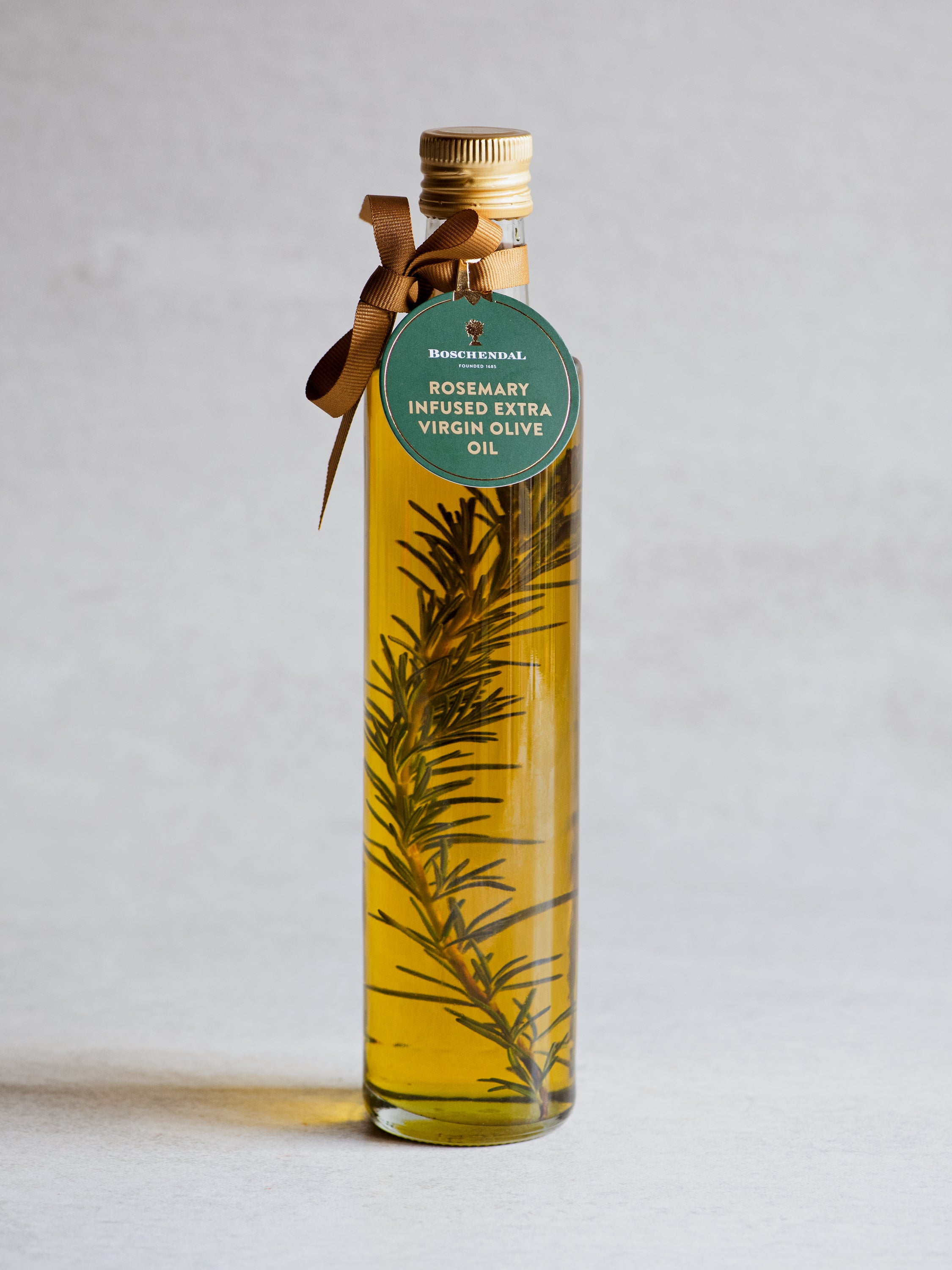
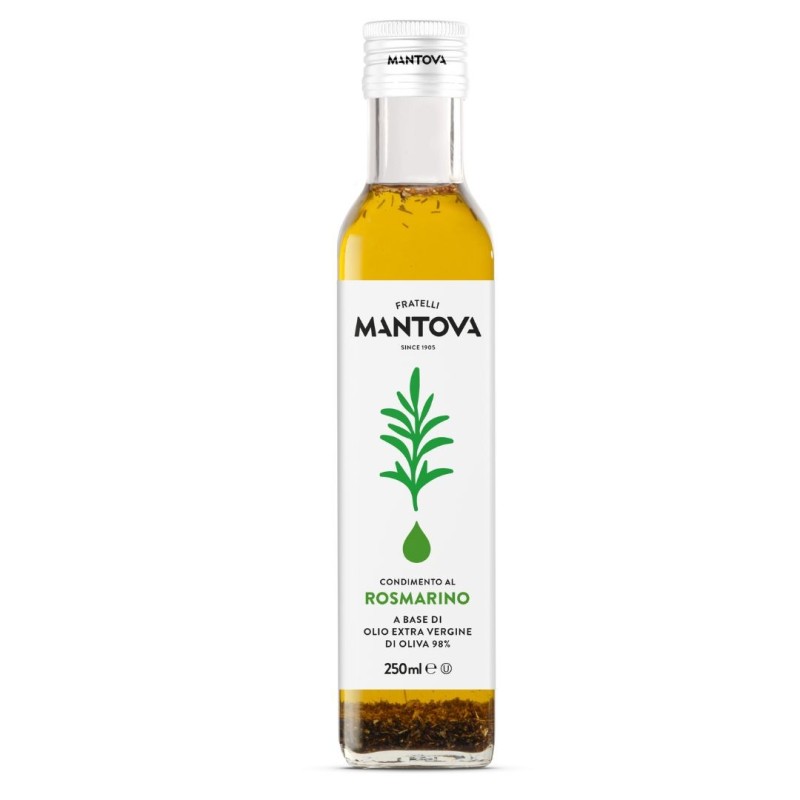
Rosemary has long been associated with memory and mental clarity. Ancient scholars reportedly wore rosemary wreaths while studying.
Modern research explores its potential to support circulation and cognitive focus. The scent alone can feel invigorating — not sharp like caffeine, but clear.
People often turn to rosemary when they feel:
Mentally foggy
Sluggish in circulation
Low in energy without being truly tired
A simple rosemary infusion — steeped gently — can become a daily ritual. Not dramatic. Not intense. Just steady.
Herbal support is rarely about overwhelming the body. It’s about nudging it toward balance.
Ginger: Warmth in Motion


If thyme is quiet resilience, ginger is movement.
For centuries, ginger has been used to warm the body, stimulate digestion, and support circulation. Its gentle heat can help when:
Nausea lingers
Digestion feels heavy
Joints feel stiff in cold weather
Energy feels stuck
Ginger does not push harshly. It encourages flow.
A cup of warm ginger tea in the morning can feel like sunlight inside the body.
Chamomile: The Language of Rest


Chamomile speaks softly.
Its delicate white flowers hold compounds studied for calming and anti-inflammatory properties. Traditionally, chamomile has been used to:
Ease digestive discomfort
Support restful sleep
Calm nervous tension
Soothe mild skin irritation
In a world overstimulated by screens and notifications, chamomile is an invitation to exhale.
Sometimes, the most powerful medicine is permission to rest.
Turmeric: Golden Balance


Turmeric has gained global attention in recent years, largely because of curcumin — a compound studied for its anti-inflammatory properties.
But long before scientific journals, turmeric was a cornerstone of traditional wellness systems.
People incorporate turmeric when they seek support for:
Joint comfort
Digestive harmony
Immune resilience
Paired with black pepper (which enhances absorption), turmeric becomes a golden ally in daily routines.
Not a cure. Not a miracle.
A companion.
The Philosophy of “Beside,” Not “Instead”
There is an important truth in herbal living: herbs walk beside us.
They are not substitutes for necessary medical care. They do not replace diagnostics, emergency interventions, or prescribed treatments.
Instead, they offer support in the in-between spaces:
Between doctor visits
Between flare-ups
Between stressful seasons
Between exhaustion and restoration
They are the daily small acts that add up.
A warm infusion.
A fragrant steam.
A spoonful of golden milk before bed.
Healing often happens in layers.
Listening Before Fixing
One of the greatest gifts herbs offer is a shift in perspective.
Instead of asking, “How do I eliminate this symptom immediately?” we begin asking, “What is my body asking for?”
Fatigue might whisper: slow down.
Digestive discomfort might ask for gentler meals.
Tension might crave breath and quiet.
Herbs encourage listening.
When you prepare thyme tea, you pause.
When you chop fresh rosemary, you inhale deeply.
When you grate ginger, you awaken your senses.
The ritual itself is medicine.
Growing Your Own Herbal Companions
There is something deeply grounding about tending your own herbs.


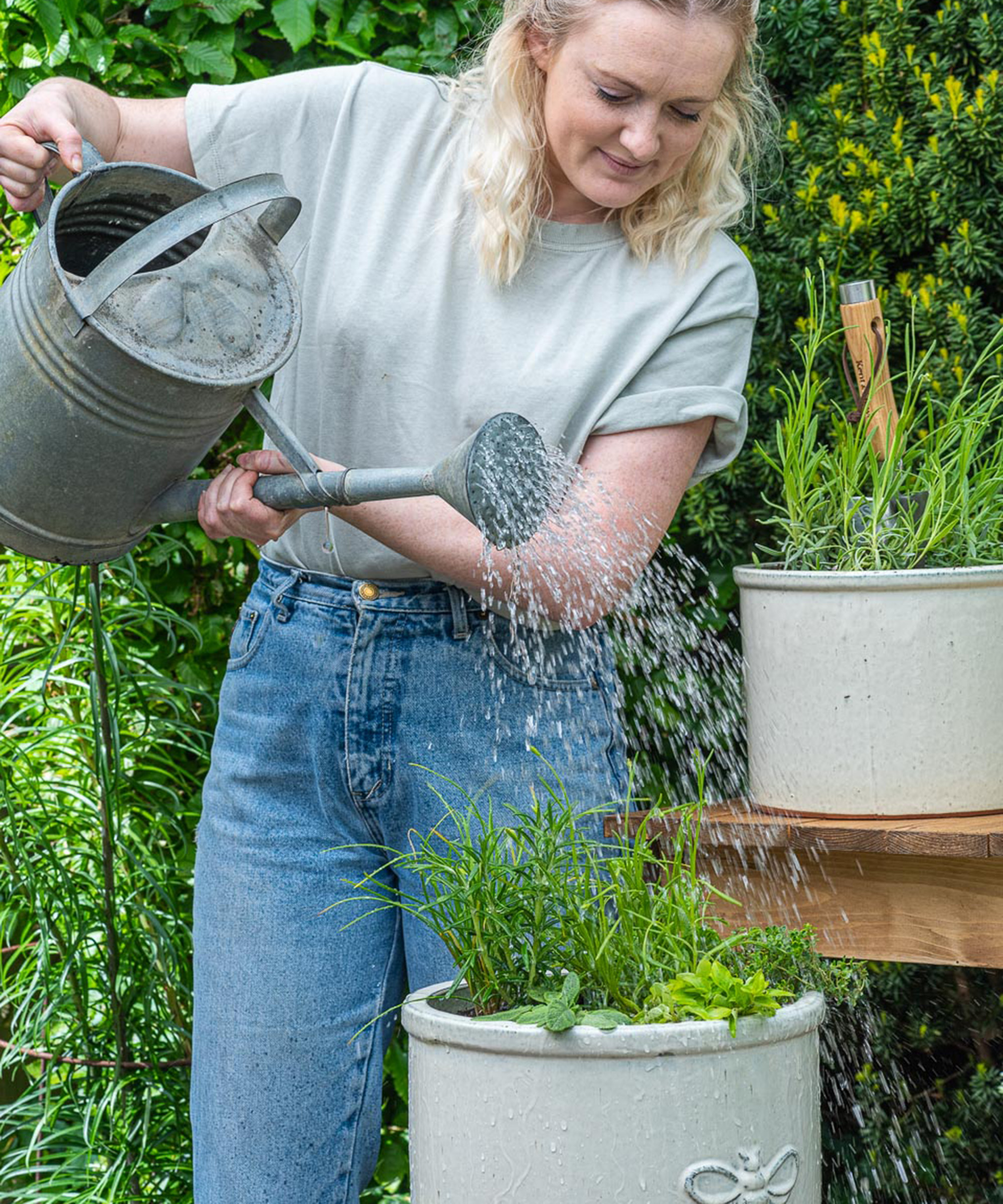

A small windowsill can hold:
Thyme
Basil
Mint
Rosemary
A balcony can host pots of chamomile or oregano.
Gardening reconnects us with cycles: seed, growth, harvest, rest.
When you grow your own herbs, you’re not just cultivating plants.
You’re cultivating relationship.
The Emotional Dimension of Herbal Living
Chronic discomfort often carries emotional weight.
There is frustration.
Uncertainty.
Sometimes grief.
Herbs cannot erase that weight. But they can soften it.
Making tea becomes a gesture of self-kindness.
Lighting a candle while steeping chamomile becomes an act of intentional slowing.
Preparing golden turmeric milk becomes a ritual of warmth.
In this way, herbs nourish more than the body.
They nourish hope.
What Science Says — and What It Doesn’t
Modern research continues exploring herbal compounds. Many studies suggest promising properties in:
Antioxidant support
Anti-inflammatory effects
Digestive regulation
Microbial balance
But research also reminds us: herbs are complex. They interact with medications. They vary in potency. They require thoughtful use.
The most balanced approach honors both tradition and evidence.
Consult healthcare providers when necessary.
Start gently.
Observe carefully.
Herbal living is not about extremes. It is about integration.
Creating Your Own Daily Ritual
You don’t need a cabinet full of rare roots.
Start simple.
Morning:
Warm water with ginger or lemon.
Midday:
A rosemary or thyme infusion.
Evening:
Chamomile before bed.
Consistency matters more than intensity.
Herbs work in rhythm.
The Grace of Small Changes
We live in a culture obsessed with transformation.
Before-and-after photos.
Overnight results.
Dramatic headlines.
Nature doesn’t move that way.
A seed doesn’t burst into fruit in a day.
A branch strengthens slowly.
A body rebalances over time.
Herbal support mirrors that patience.
Small improvements compound.
Gentle support accumulates.
Balance returns quietly.
Walking Forward in Partnership
The quiet power of nature lies not in spectacle, but in steadiness.
Plants have walked beside humanity for millennia. They have witnessed plagues and progress, wars and revolutions, grief and celebration.
And still they grow.
When you harvest thyme from your windowsill, you participate in something ancient.
When you steep chamomile before bed, you honor rest.
When you stir turmeric into warm milk, you choose nourishment.
This is not rebellion against medicine.
It is reverence for balance.
Final Reflection: The Branch, Not the Bottle
The image of hands harvesting thyme is a symbol.
It reminds us that relief doesn’t always roar.
Sometimes it whispers.
The greatest comfort may not come from eliminating every discomfort, but from feeling supported while you navigate it.
Herbs are not miracle workers.
They are companions.
They stand beside you — in balance and grace.
And in that quiet companionship, many rediscover something deeply human:
Healing is not only about fixing.
It is about tending.
Listening.
Walking gently with the body you inhabit.
And sometimes, the smallest leaf holds the greatest reminder —
You are part of nature.
And nature has always been on your side.


0 commentaires:
Enregistrer un commentaire